.webp) nextgengamereview.com
nextgengamereview.comHow to Master Escape from Tarkov – The Complete Beginner-to-Advanced Guide
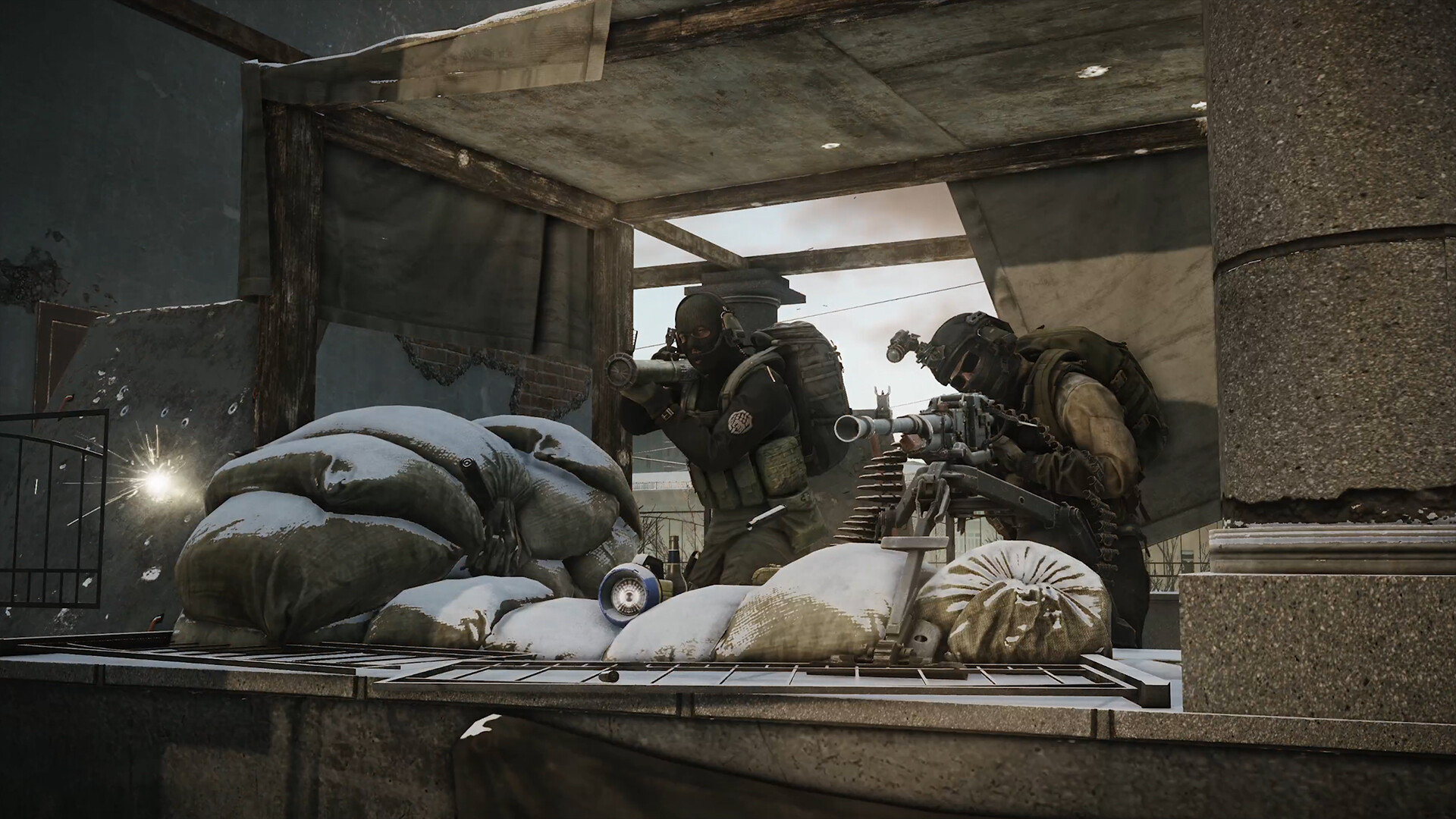
Escape from Tarkov is a hardcore tactical FPS built around survival, exploration, weapon customization, resource management, and high-risk extraction gameplay. Instead of entering a match simply to eliminate opponents and collect kills, you enter the dangerous Norvinsk region with a specific objective: survive long enough to reach an extraction point and escape with whatever you managed to find.
Every raid creates a different problem. You may need to complete a quest, search for a particular item, eliminate hostile players or Scavs, collect valuable loot, or simply survive long enough to return safely. The difficulty comes from the consequences of failure. When you die, most of the equipment you brought into the raid can be lost, while items found during a raid only become useful for your progression after you successfully extract.
The game therefore rewards patience, information, preparation, and decision-making more than aggressive shooting alone. Learning the maps, understanding ammunition, managing your inventory, recognizing sounds, and knowing when to fight or retreat are all essential skills. This guide takes you from your first raids through advanced combat, economy management, quest progression, and efficient survival.
Understand the Raid and Extraction System
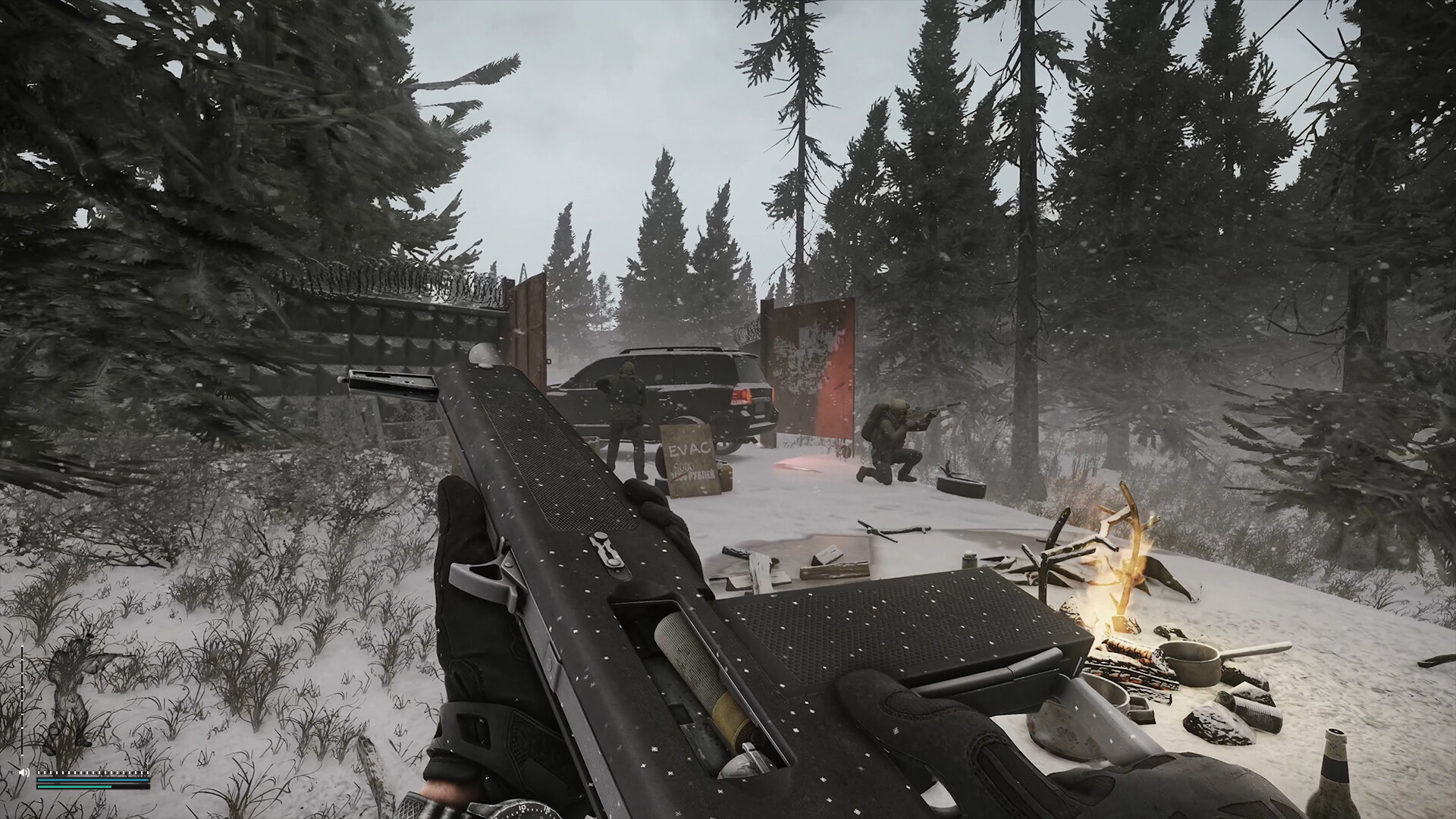
The first concept every new player needs to understand is the raid itself. You enter a map with your character, equipment, and a limited amount of time. Your objective is to complete whatever you came for and reach an extraction point before the raid ends.
A raid can contain AI-controlled Scavs, other players controlling PMCs, and various environmental dangers. You never know exactly what is waiting around the next corner. Even if you have excellent equipment, one bad engagement can end the entire raid.
Extraction is therefore more important than the number of enemies you eliminate. A player who collects useful items and successfully extracts is making meaningful progress, while a player who wins several fights but dies before reaching extraction may lose most of the value of that raid.
Learn the Basic Raid Priorities
For beginners, use a simple priority system:
- Stay alive.
- Learn the map.
- Complete achievable objectives.
- Collect useful loot.
- Avoid unnecessary fights.
- Reach extraction.
Kills should not automatically become your main objective. If an enemy does not threaten your route or objective, there may be little reason to reveal your position by engaging them.
Once you understand this philosophy, Escape from Tarkov starts to feel less like a conventional multiplayer shooter and more like a tactical survival game.
Learn One Map Before Expanding Your Knowledge
Map knowledge is arguably one of the most important skills in Escape from Tarkov. Knowing where you are, where you can move, where enemies commonly appear, and where you can extract gives you an enormous advantage.
Instead of trying to memorize every map immediately, choose one map and learn it thoroughly. Customs, Ground Zero, Woods, Interchange, Shoreline, Reserve, Lighthouse, Streets of Tarkov, and Labs all provide different environments and challenges, but attempting to learn everything at once can overwhelm a beginner.
Start by learning the major landmarks. Then learn your extraction points. After that, identify common loot areas, dangerous locations, chokepoints, and alternative routes.
Build a Mental Map
A useful mental map should answer several questions:
- Where did I spawn?
- Where am I trying to go?
- Which areas are likely to contain players?
- Where can Scavs appear?
- Where are the nearest safe routes?
- Which extraction points are available?
- Where can I hide if I need to recover?
You should eventually be able to navigate without constantly stopping to check a map.
Map knowledge also improves combat. When you hear a gunshot, knowing the surrounding buildings and terrain allows you to estimate where the shooter could be located and where they might move next.
Master Movement and Sound
Sound is one of the most important sources of information in Escape from Tarkov. Footsteps, gunfire, doors, bushes, surfaces, equipment movement, and other environmental sounds can reveal another player's position before you ever see them.
This means movement should be deliberate. Sprinting everywhere may get you across the map faster, but it also creates noise and makes your position easier to identify.
Use sprinting when speed is more important than stealth, such as crossing an exposed area or escaping danger. Slow down when approaching buildings, objectives, extraction areas, or locations where another player may be waiting.
Learn to Read Sound
Do not simply hear a sound and immediately assume an enemy is next to you. Try to identify:
- Direction
- Distance
- Type of sound
- Surface
- Timing
- Whether the sound is moving
A single footstep is information. Several footsteps moving across a building provide much more information. Gunfire can also reveal weapon type, approximate distance, and the possibility that multiple players are fighting.
The best players constantly build a mental picture of the raid from these audio clues.
Build Weapons Around Ammunition, Not Appearance
Escape from Tarkov's weapon customization system is extremely detailed, but beginners often make the mistake of focusing too heavily on the weapon itself.
A weapon's effectiveness depends heavily on the ammunition being used. Different ammunition types have different penetration, damage, recoil, and performance characteristics. Bringing an expensive weapon with inappropriate ammunition can therefore produce worse results than using a cheaper weapon with ammunition suited to your target.
Learn the ammunition used by the weapons you regularly carry. Understand what performs against different armour levels and what is appropriate for the type of engagement you expect.
Avoid Overbuilding Your Gun
More expensive attachments do not automatically make a weapon better for every situation.
A beginner-friendly build should prioritize practical improvements such as:
- Manageable recoil
- Reliable optics
- Appropriate magazines
- Useful ergonomics
- Suitable ammunition
- A configuration you can afford to replace
You should also remember that a weapon you cannot comfortably control is not useful simply because it has expensive modifications.
As you gain experience, begin building weapons around specific roles. A compact weapon may work well indoors, while a longer-range rifle can be better suited to open terrain.
Understand Armour, Damage, and Medical Management
Surviving a gunfight depends on much more than landing shots. You need to understand where you have been injured, what type of injury occurred, and whether continuing the fight is still sensible.
Different body parts have different consequences when damaged. Serious injuries can affect movement, vision, stamina, or your ability to fight effectively. Bleeding can also become a major problem if it is not treated.
This makes medical preparation essential.
Before entering a raid, make sure you have the medical supplies required for your equipment level and expected risk. As you progress, learn the difference between items designed to stop bleeding, restore health, treat fractures, and address other injuries.
Do Not Heal Automatically Without Thinking
After a fight, immediately using every medical item you have may waste valuable resources. First determine how serious the damage is.
If you are safely inside cover, inspect your condition and decide what needs treatment. If another player may still be nearby, you may need to relocate before performing a lengthy recovery process.
This is another example of Tarkov's central philosophy: information comes before action.
You should know why you are healing, where you are healing, and whether the area is actually safe.
Use Scav Runs to Build Experience and Resources
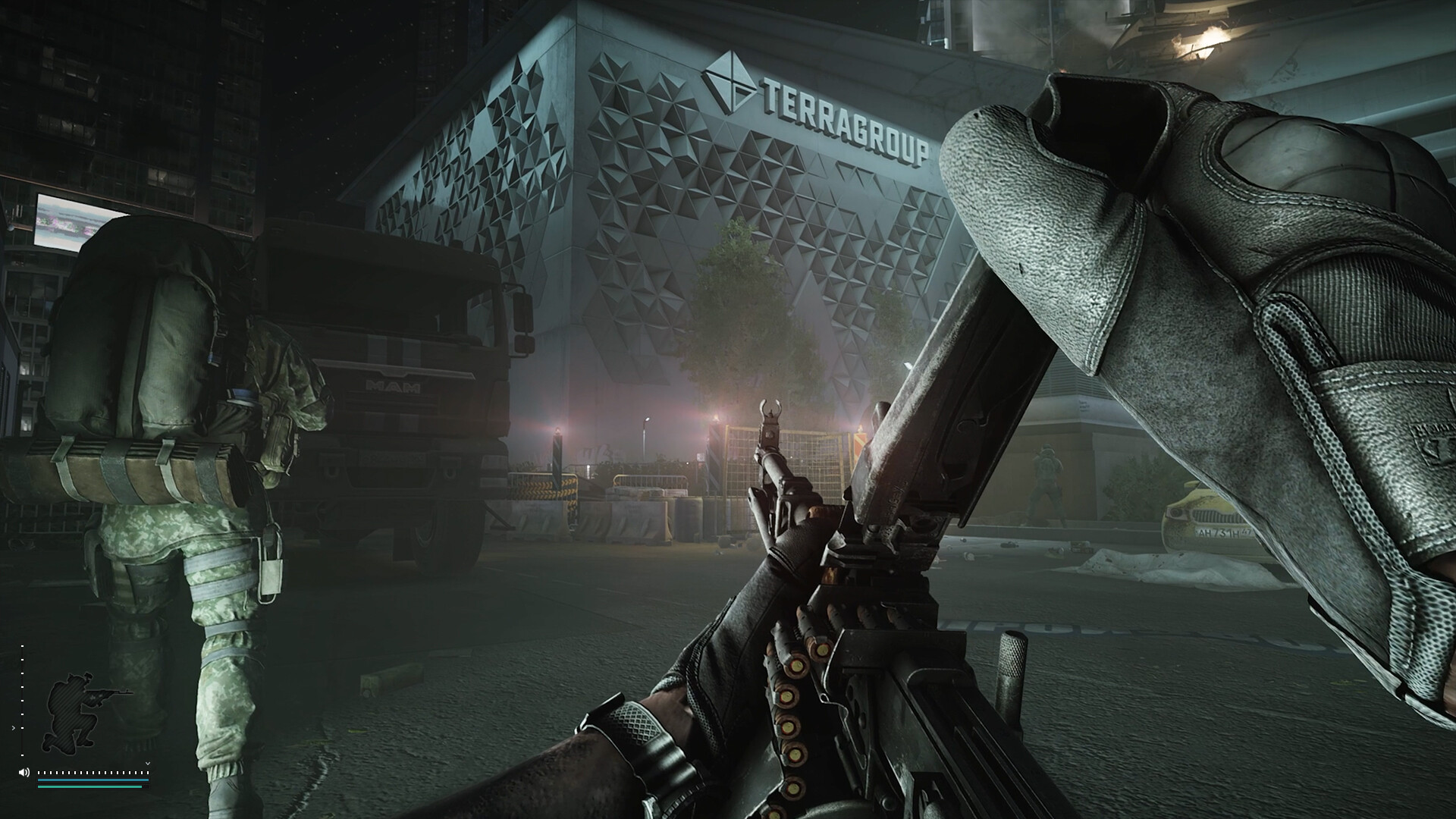
Scav runs are an important tool for players who are still learning the game or recovering from financial losses. Playing as a Scav allows you to enter raids with a separate loadout and search for loot without risking your main PMC equipment in the same way.
For beginners, Scav runs can be particularly useful for learning maps. You can explore unfamiliar areas, practice navigation, search for useful items, and learn how other players and AI behave.
They can also help stabilize your economy. Valuable items recovered during a successful Scav extraction can be sold, stored, or used for future PMC raids.
Use Scav Runs as Training
Do not treat every Scav raid as a free-for-all.
Instead, use the opportunity to practice:
- Navigation
- Loot identification
- Audio awareness
- Extraction routes
- Inventory management
- Close-range combat
- Recognizing valuable items
Over time, Scav runs become more than a method of recovering money. They become another way to learn the game without putting your main character's equipment at unnecessary risk.
Complete Quests and Build Trader Progression
Quests provide structure to Escape from Tarkov's otherwise open-ended progression. They introduce objectives, encourage exploration, unlock progression opportunities, and guide you toward different areas of the game.
When several quests are available, look for opportunities to complete multiple objectives during the same raid. This reduces unnecessary travel and can make your progression much more efficient.
For example, if two objectives are located in the same general area, plan a single raid around both instead of entering separate raids without a clear purpose.
Learn What to Keep
Quest requirements can make seemingly ordinary items extremely valuable. Before selling everything you find, learn which categories of items may be needed later.
This is particularly important for items that have specific progression or quest value.
A good stash management routine includes:
- Separate quest-related items.
- Keep useful medical supplies.
- Store ammunition you actually use.
- Sell equipment you do not need.
- Avoid filling your stash with weapons you never intend to use.
- Maintain a reserve of money for future raids.
Your stash should support your next raids rather than become a collection of random equipment.
Improve Your Looting and Economy
Looting is one of the most rewarding parts of Tarkov, but it is also one of the easiest ways to become distracted and killed.
The best loot route is not always the location containing the most expensive items. A good route balances value, danger, distance, and extraction probability.
When entering a loot area, avoid spending too much time searching every container. Your risk increases the longer you remain in predictable locations.
Know When to Stop Looting
Inventory space is limited. Once you have enough valuable items, continuing to search can become inefficient.
Ask yourself:
- Is this item worth carrying?
- Do I need it for a quest?
- Can I sell it for meaningful profit?
- How much risk will another loot stop create?
- How far am I from extraction?
The final question is especially important.
A backpack full of valuable loot is worthless if you die while trying to squeeze one more item into it.
Advanced players learn to recognize when a raid has already become successful and simply leave.
Develop a Tactical Approach to PvP
PvP becomes easier when you stop treating every encounter as a reflex test. Tarkov rewards positioning, timing, information, and patience.
Before engaging, consider whether you have an advantage. Do you know where the enemy is? Are you in cover? Do you have a clear escape route? Is another player likely to be nearby?
If the answer to most of these questions is no, disengaging may be the better tactical choice.
Control the Engagement
When you decide to fight, try to force the enemy into a situation where you have more information.
Use cover instead of standing in open areas. Avoid exposing your entire body when a smaller angle is sufficient. After firing, consider whether remaining in exactly the same position is safe.
Do not repeatedly peek the same angle against an opponent who already knows your position.
Good PvP is often about creating uncertainty for the opponent while reducing uncertainty for yourself.
As your skills improve, begin learning advanced concepts such as repositioning after shots, baiting movement, using sound intentionally, controlling sightlines, and predicting likely enemy rotations.
Master Advanced Raid Planning
Once you understand maps, equipment, combat, and the economy, the game becomes increasingly about planning the entire raid before you enter it.
Instead of asking, "What should I do when I get there?" establish your objective before loading into the map.
Your plan might be:
- Complete a specific quest.
- Search for a particular item.
- Reach a specific location.
- Farm a certain type of loot.
- Practice PvP.
- Extract safely with a full inventory.
Your equipment should reflect that objective.
A player entering a dangerous area for a quest should not necessarily bring the same setup as someone deliberately hunting PvP encounters.
Build a Risk Budget
One of the most useful advanced habits is assigning a risk level to each raid.
A low-risk raid might use inexpensive equipment and focus on completing a quest. A higher-risk raid may justify better armour, stronger ammunition, and more expensive weapons because the potential reward is also higher.
This prevents emotional decision-making after a death.
Do not spend more money simply because you want to recover the equipment you just lost. Treat each raid as an independent tactical decision.
Become Consistent Instead of Simply Aggressive
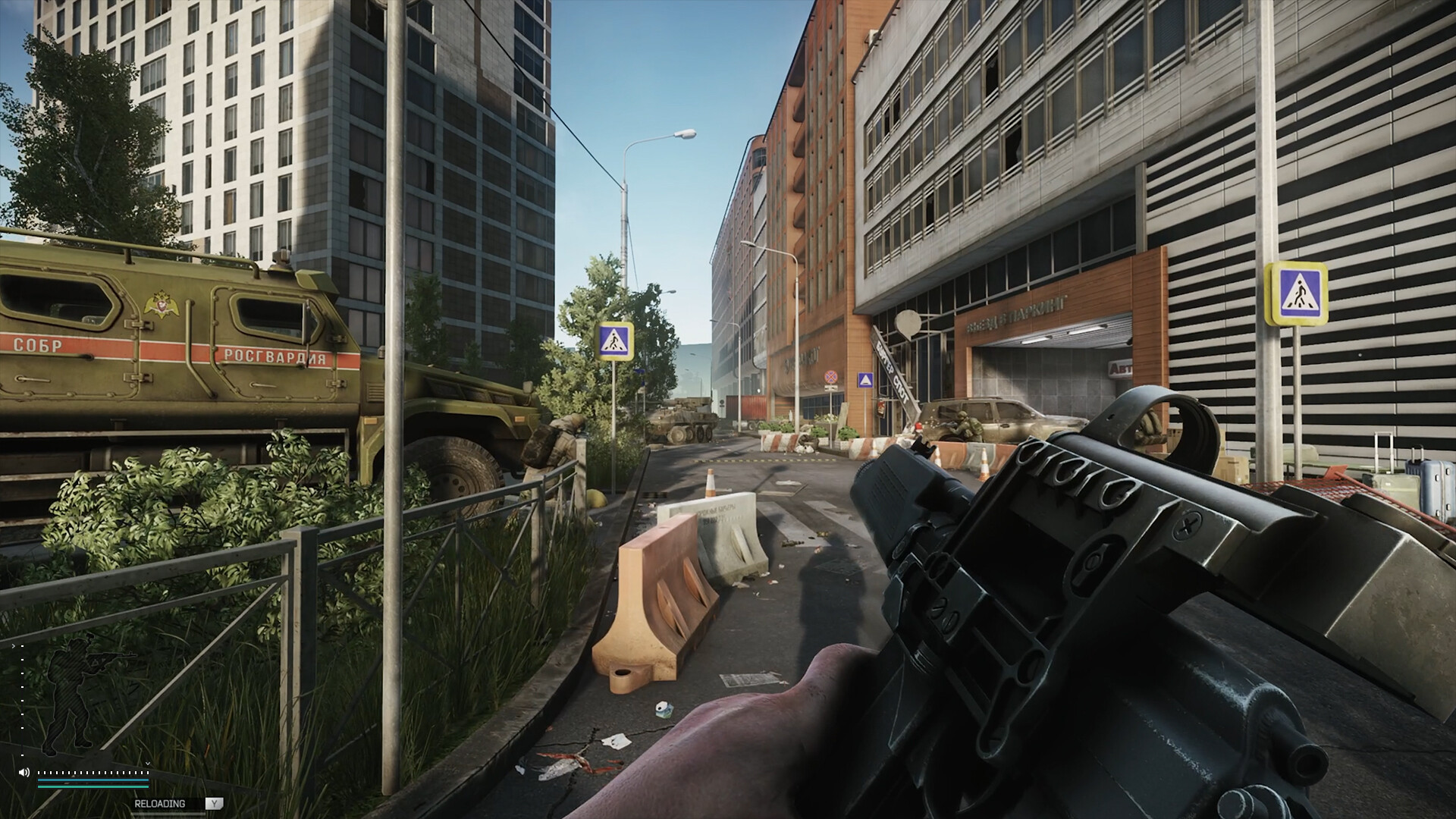
The final step in mastering Escape from Tarkov is learning consistency.
You will die. You will lose expensive weapons. You will make mistakes. You will occasionally hear an enemy too late or take a fight you should have avoided.
The goal is not to eliminate every mistake. The goal is to understand why the mistake happened and reduce the chance of repeating it.
After a failed raid, ask:
- Where did I die?
- What information did I miss?
- Did I make unnecessary noise?
- Was my equipment appropriate?
- Did I choose the wrong route?
- Did I stay too long?
- Could I have avoided the fight?
- Did I understand the enemy's position?
This mindset transforms deaths into useful information.
Eventually, you begin to recognize situations before they become dangerous. You know when a building is likely occupied, when a loot area is too exposed, when a gunfight is worth taking, and when extraction is more valuable than another kill.
That is the difference between simply playing Escape from Tarkov and mastering it.
Conclusion
Escape from Tarkov is built around uncertainty, consequence, and preparation. Its deepest systems reward players who learn to combine map knowledge, sound awareness, ammunition knowledge, medical preparation, equipment management, quest progression, economy, and tactical decision-making.
For beginners, the most important step is resisting the temptation to play every raid like a traditional FPS. Your objective is not always to find the most enemies or fire the most bullets. Sometimes the smartest raid is the one where you complete a small objective, collect a few useful items, avoid unnecessary combat, and extract safely.
As your experience grows, begin optimizing everything. Learn maps from memory, build weapons around ammunition and role, manage your stash efficiently, use Scav runs intelligently, plan routes around quests, and control the conditions of your PvP engagements.
Eventually, Tarkov becomes less about surviving individual firefights and more about controlling the entire raid. You enter with a plan, gather information, adapt when circumstances change, and leave when the risk is no longer worth the reward.
Summary (160 characters)
Master Escape from Tarkov with map knowledge, smart loadouts, sound awareness, efficient looting, quest planning, tactical PvP, and disciplined extraction.