How to Play Geometry Dash – A Complete Guide to Master Timing, Levels, and Rhythm-Based Platforming
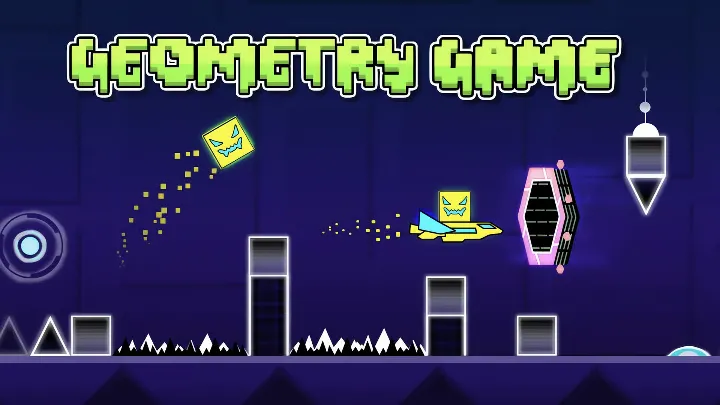
Geometry Dash is one of the most iconic rhythm-based platformer games ever created. With its fast-paced gameplay, precise timing, and unforgiving obstacles, the game challenges both your reflexes and patience. Many players struggle to progress beyond early levels or get stuck repeating the same mistakes. This how-to guide will teach you how to play Geometry Dash correctly, improve your skills, and consistently beat harder levels.
1. How to Understand Geometry Dash Gameplay Basics
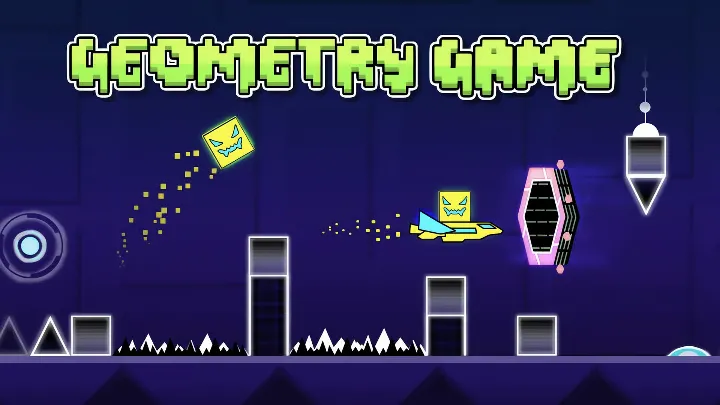
Geometry Dash is a rhythm-based platformer where your character automatically moves forward while you control jumps, flights, and transformations. Every obstacle is synced to music, making timing the most important skill.
The game rewards memorization and consistency rather than randomness. Learning patterns is essential to progress.
Core Gameplay Mechanics
You tap or click to jump, fly, or flip gravity depending on the game mode.
Why Timing Matters
- Obstacles are placed rhythmically
- Music cues predict jumps
- Late or early inputs cause instant failure
2. How to Start Playing Geometry Dash the Right Way
New players often rush through levels without understanding patterns. This leads to frustration and repeated deaths.
A better approach is to play slowly, focus on rhythm, and accept early failures as part of learning.
Beginner Approach
Start with official easy levels before attempting community-made demons.
Beginner Tips
- Play in Practice Mode first
- Listen to the music carefully
- Do not spam clicks
3. How to Master Jump Timing
Jump timing is the foundation of Geometry Dash. One incorrect click can reset your progress instantly.
Learning when not to jump is just as important as knowing when to jump.
Timing Techniques
Use the beat of the song to guide your inputs.
Common Timing Errors
- Clicking too early
- Panic tapping
- Ignoring visual cues
4. How to Use Practice Mode Effectively
Practice Mode is the most powerful learning tool in Geometry Dash, yet many players misuse it.
Proper practice allows you to learn sections without restarting the entire level.
Smart Practice Strategy
Place checkpoints before difficult sections.
Practice Mode Tips
- Focus on one section at a time
- Remove checkpoints once confident
- Practice transitions repeatedly
5. How to Handle Different Game Modes
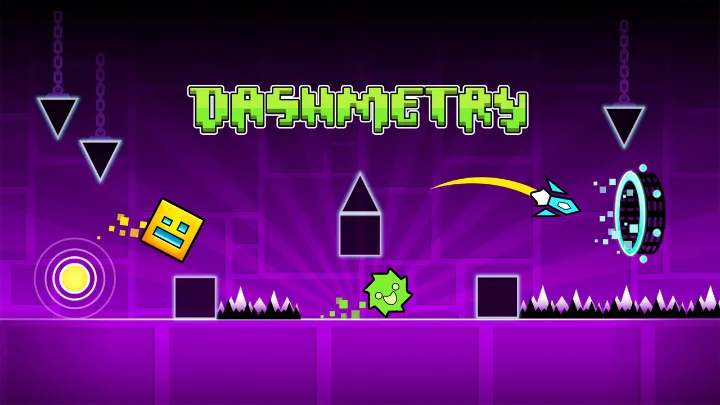
Geometry Dash includes multiple modes such as Cube, Ship, Ball, UFO, Wave, and Spider. Each mode requires a different skill set.
Understanding how each mode behaves is critical for consistency.
Common Game Modes
Each mode changes gravity, movement, or control sensitivity.
Mode-Specific Tips
- Ship: use light taps
- Wave: control rhythm, not speed
- Ball: anticipate gravity switches
6. How to Improve Muscle Memory
Geometry Dash relies heavily on muscle memory. Your hands must react automatically to patterns.
Repetition is the key to improvement.
Building Muscle Memory
Play the same level multiple times until movements feel natural.
Muscle Memory Mistakes
- Switching levels too often
- Playing while tired
- Practicing without focus

7. How to Read Levels and Visual Cues
Advanced players don’t react blindly—they read the level ahead of time.
Visual cues such as spikes, portals, and color changes indicate upcoming actions.
Visual Awareness
Train your eyes to look slightly ahead of your character.
Reading Cues Tips
- Watch portal colors
- Notice obstacle spacing
- Anticipate speed changes
8. How to Stay Calm and Avoid Tilt
Geometry Dash is mentally demanding. Frustration causes sloppy inputs and poor timing.
Staying calm directly improves performance.
Mental Control
Take breaks when progress stalls.
Anti-Tilt Tips
- Stop after repeated failures
- Lower volume if stressed
- Focus on improvement, not completion
9. How to Progress to Harder Levels
Jumping into demon levels too early often leads to burnout.
Gradual progression builds skill and confidence.
Skill Progression Path
Complete easy → normal → hard → insane levels in order.
Progression Tips
- Do not rush difficulty
- Track your improvement
- Celebrate small wins

10. How to Consistently Beat Levels and Improve
Consistency comes from discipline, practice, and patience.
Winning in Geometry Dash is about mastering fundamentals rather than relying on luck.
Long-Term Improvement Strategy
Create a routine and stick to it.
Improvement Checklist
- Practice daily in short sessions
- Rewatch difficult sections
- Learn from better players
CONCLUSION
Geometry Dash is not just a reflex game—it is a test of timing, discipline, and mental control. By mastering fundamentals such as jump timing, practice mode, muscle memory, and level reading, you can steadily improve and conquer even the hardest levels. With patience and consistency, progress becomes inevitable.
How to play Geometry Dash: learn timing, practice mode, muscle memory, game modes, and mental control to beat levels consistently and improve fast.