.webp)






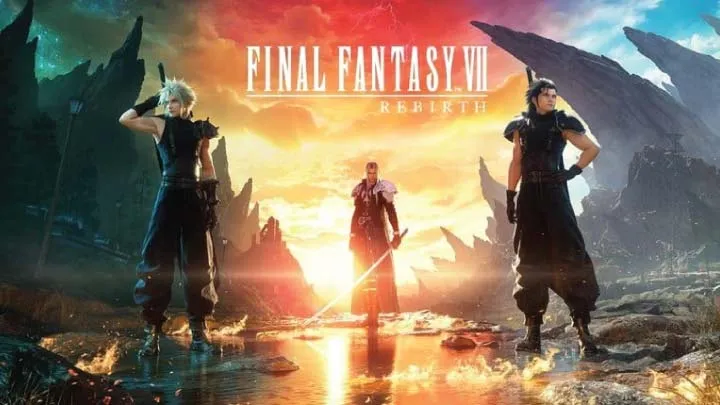
Final Fantasy VII Rebirth continues the remake project with breathtaking ambition, transforming the linear escape from Midgar into a sprawling, living recreation of Gaia. Its sun-drenched Grasslands, towering Junon cliffs, and haunting Nibelheim mists deliver some of the most memorable visuals in the series. Yet at the core of this masterpiece lies a specific tension: the open-world bloat that challenges the tight storytelling and emotional pacing that made the original classic. This article examines how the shift to expansive regions filled with activities creates a double-edged sword — delivering freedom while risking player fatigue and diluting key narrative moments.
The Vision: From Corridors to a Breathing Planet
Rebirth’s design team sought to capture the sense of wonder players felt traversing the original’s world map after leaving Midgar. Six major regions invite free exploration, Chocobo riding, and discovery at one’s own pace. This philosophy honors the spirit of player agency that defined the 1997 game.
However, the execution often transforms organic adventure into a checklist-heavy experience. Towers to climb, fiend intel to gather, and protorelic hunts populate the map, creating a structure reminiscent of modern open-world formulas. What begins as exciting freedom can quickly feel like obligation, pulling focus from Cloud’s identity crisis and the party’s emotional bonds.
Grasslands: The First Test of Freedom Versus Filler
Emerging from Kalm into the rolling Grasslands offers an immediate rush of scale and beauty. Golden fields, hidden caves, and Chocobo stables evoke nostalgia while introducing new party interactions through side stories.
Yet the mechanical density appears early. Activating survey towers and completing Chadley’s requests for materia and summons turns exploration into systematic scanning. Players frequently report rushing main quests to escape the growing list of markers, revealing how volume can overshadow the region’s atmospheric charm.
Junon: Naval Grandeur Meets Repetitive Tasks
The coastal military stronghold of Junon delivers cinematic set pieces — the parade sequence and underwater exploration stand among Rebirth’s highlights. Verticality and Shinra oppression themes shine through impressive level design.
Despite these strengths, open-world obligations such as uniform collection mini-games and relic searches extend playtime at the expense of momentum. Critical story beats about sacrifice and loyalty lose impact when interrupted by fetch objectives, highlighting the core issue of mismatched pacing.
Corel Desert and Gold Saucer: Nostalgia Overwhelmed by Density
The arid Corel region and its glittering Gold Saucer amusement park recapture the original’s blend of levity and underlying tension. Mini-games like racing and card battles provide joyful distractions and relationship-building opportunities.
The sheer quantity of attractions, however, risks turning celebration into exhaustion. Mandatory performances and repeated challenges for story progression create a sense of obligation rather than play. This density exemplifies how open-world ambitions can blunt the emotional highs the narrative aims to deliver.
Gongaga: Emotional Depth Amid Environmental Repetition
The lush, reactor-scarred jungle of Gongaga provides some of Rebirth’s most poignant character moments, especially regarding Zack and Aerith. Dense foliage and hidden paths reward attentive players while deepening themes of loss and homecoming.
Traversal and enemy patterns, though, begin to repeat earlier formulas. Protorelic puzzles and side content feel familiar rather than fresh, diluting the region’s unique emotional resonance and exposing the limits of content variety across vast spaces.
Cosmo Canyon: Profound Lore Challenged by Collection Fatigue
Red XIII’s ancestral lands deliver rich philosophical discussions and Planet lore through Bugenhagen’s wisdom. The sacred canyon environment perfectly complements themes of environmental stewardship and destiny.
Extensive artifact hunting and backtracking for full completion, however, extend sessions beyond narrative focus. Players seeking story closure often feel pressured to clear markers, potentially reducing the impact of quiet, reflective moments that define the area’s power.
Nibelheim: Haunting Intimacy Disrupted by Side Content
Returning to the site of tragedy offers powerful flashbacks and psychological horror. The Shinra mansion puzzles and reactor sequences recapture classic tension while advancing Cloud’s fractured identity.
Surrounding open-world tasks — mutant fiend scans and environmental challenges — feel awkwardly layered onto the linear horror core. This juxtaposition creates tonal whiplash, preventing full immersion in one of the story’s most intimate chapters.
World Traversal: Chocobo Freedom and Logistical Burden
Chocobos and gradual vehicle unlocks revive the joy of world map exploration. Scenic rides across varied biomes encourage genuine discovery and environmental appreciation.
Vast distances combined with stamina management and limited early fast travel turn long journeys into repetitive slogs. What should feel liberating often becomes a time sink, testing player devotion rather than rewarding curiosity.
Combat Integration: Strengths Tested by Open-World Frequency
The refined real-time combat with synergy abilities and materia systems reaches new heights in Rebirth. Open regions allow creative build experimentation against diverse enemy groups.
Frequent random encounters during travel and intel grinding, however, accumulate into noticeable fatigue. Combat risks becoming another checklist item instead of a dynamic tool for storytelling and character growth.
Endgame and Completionism: The Legacy of Scale
Hard mode, superbosses, and post-game challenges push the combat system to its limits. Dedicated players find rewarding depth and additional character insights.
Yet accumulated bloat leads many to burnout before full completion. The lack of meaningful differentiation between optional and essential content raises questions about sustainable design for the trilogy’s conclusion.
Player Reception and Lessons for the Future
Critics and community discussions celebrate Rebirth’s artistic and emotional peaks while consistently noting open-world fatigue as a key drawback. The game embodies broader AAA tensions between ambition and focus.
For Part 3, refining the balance between scale and substance will be essential. Learning when to embrace linearity alongside openness could perfect the remake project’s legacy.
Conclusion
Final Fantasy VII Rebirth’s open-world design is a daring evolution that enriches Gaia with life and wonder, strengthening character arcs and thematic resonance. Yet its bloat — repetitive activities, pacing disruptions, and checklist mentality — frequently undermines the intimate storytelling that defines the series. As the trilogy approaches its finale, addressing this paradox will determine whether Rebirth’s successors achieve timeless greatness or remain beautiful but burdened experiments. The game’s heart remains undeniable, reminding players why this world continues to captivate decades later.