






Blood Strike is a fast-paced first-person shooter that blends classic arcade-style gunplay with modern battle royale and tactical shooter elements. Designed for quick matches and high-intensity combat, the game rewards mechanical skill, map awareness, and smart decision-making rather than pure grinding or progression alone. Whether played casually or competitively, Blood Strike demands focus and adaptability from its players.
This guide is created to help both beginners and intermediate players understand Blood Strike’s core mechanics, improve survivability, and consistently perform better in matches. The tips are structured to follow a natural learning curve, starting from basic movement and weapon handling to advanced combat tactics and late-game decision-making.
1. Understanding Blood Strike’s Core Gameplay
Fast-paced combat philosophy
Blood Strike emphasizes speed, precision, and constant engagement. Matches are shorter than traditional battle royale games, and players are encouraged to stay mobile and aggressive. Standing still or playing overly defensive often leads to being overwhelmed.
Skill over grind
While progression systems exist, success in Blood Strike depends primarily on player skill. Aim control, reaction time, and positioning have a far greater impact than unlocked gear or cosmetic upgrades. This makes practice and experience more valuable than time investment alone.
2. Movement Mechanics and Map Awareness
Mastering movement early
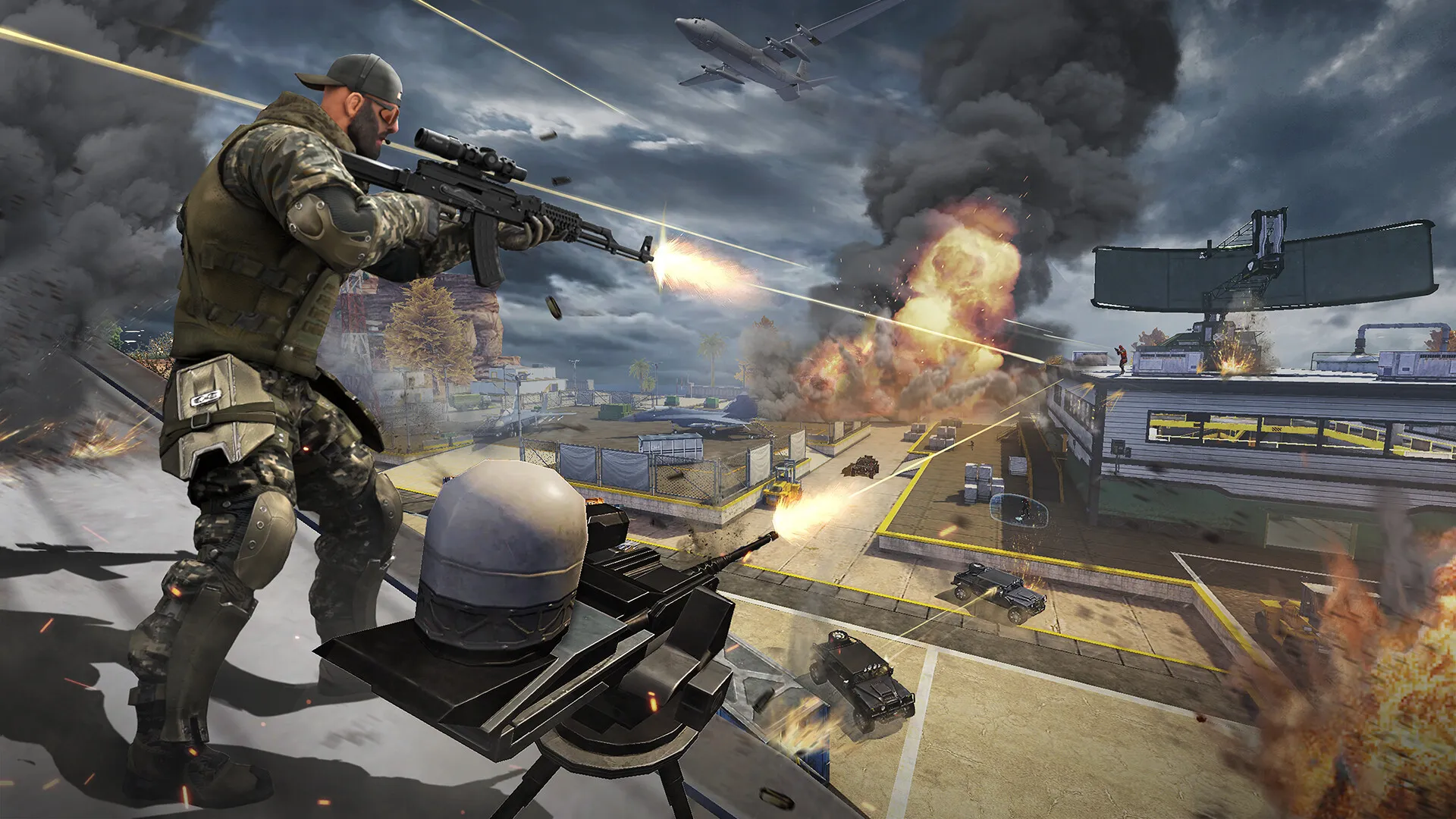
Movement is one of the most important skills in Blood Strike. Sprinting, sliding, jumping, and quick direction changes are essential for both offense and defense. Poor movement makes players easy targets in close-quarters combat.
Reading the map
Understanding map layouts helps players predict enemy behavior. High-traffic areas, choke points, and elevated positions often determine the flow of combat.
Key movement tips:
- Never move in straight lines during fights
- Use cover while repositioning
- Learn common enemy routes
3. Weapon Types and Loadout Selection
Knowing your weapons
Blood Strike offers a wide range of firearms, each designed for specific combat ranges. Choosing the wrong weapon for a situation significantly reduces your effectiveness.
Loadout balance
A balanced loadout usually includes:
- A primary weapon for mid-range combat
- A secondary weapon for close encounters
- Utility items such as grenades or tactical equipment
Avoid relying on a single weapon type, as versatility is crucial in unpredictable encounters.
4. Early-Game Strategy and Drop Decisions
Choosing landing zones
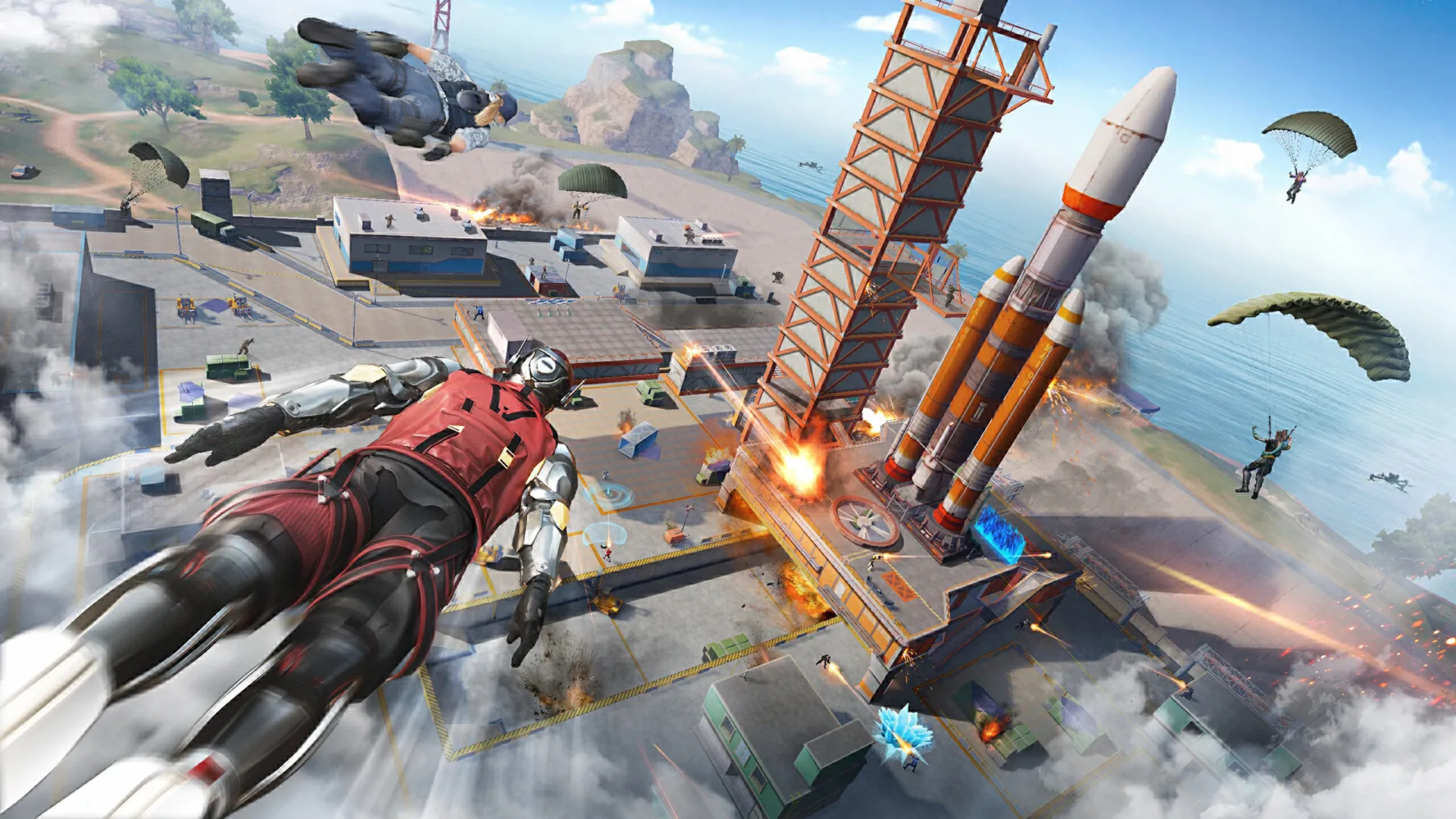
Early-game decisions often define the rest of the match. Landing in high-loot areas increases risk but offers faster access to strong weapons. Safer zones provide stability but slower progression.
Early survival priorities
Focus on:
- Securing a reliable weapon immediately
- Gathering armor and ammo
- Avoiding unnecessary fights before gearing up
Surviving the first few minutes dramatically increases your chances of winning.
5. Gunplay Fundamentals and Aim Improvement
Precision over spraying
Blood Strike rewards controlled firing rather than random spray patterns. Learning recoil control and burst firing improves accuracy and conserves ammo.
Improving aim consistently
Effective aim training includes:
- Practicing tracking moving targets
- Adjusting sensitivity settings
- Focusing on head-level crosshair placement
Small improvements in aim lead to noticeable performance gains.
6. Tactical Combat and Positioning
Using cover effectively
Positioning often matters more than raw aim. Fighting from cover reduces damage taken and gives players control over engagement timing.
Tactical advantages
Strong tactical habits include:
- Holding high ground
- Forcing enemies into narrow spaces
- Disengaging when outmatched
Smart positioning allows players to win fights even against better-equipped opponents.
7. Team Play and Communication
Roles in squad modes
In team-based modes, coordination is essential. Players should naturally fall into roles such as entry fragger, support, or overwatch depending on their weapons and skill sets.
Communication essentials
Good communication involves:
- Calling enemy locations clearly
- Sharing resources when needed
- Coordinating pushes and retreats
Teams that communicate effectively often outperform mechanically stronger but uncoordinated squads.
8. Mid-Game Decision Making
When to fight and when to rotate
Mid-game is about choosing battles wisely. Constant fighting increases risk, while passive play may lead to being under-equipped later.
Smart rotations
Effective rotations focus on:
- Staying inside safe zones
- Avoiding predictable paths
- Maintaining positional advantage
Balanced aggression is key during this phase.

9. Common Mistakes and How to Avoid Them
Over-aggression
Many players lose matches by chasing kills without awareness of surroundings. Blood Strike punishes reckless behavior quickly.
Frequent errors
Common mistakes include:
- Reloading at unsafe times
- Ignoring audio cues
- Carrying unnecessary equipment
Reducing these errors improves consistency more than improving aim alone.
10. Late-Game Strategy and Winning Matches
Endgame awareness
Late-game encounters are intense and unforgiving. Fewer players remain, and every decision carries significant weight.
Securing victory
Late-game success depends on:
- Controlling strong positions
- Managing remaining resources
- Staying calm under pressure
At this stage, patience and discipline often matter more than aggression.
Conclusion
Blood Strike is a skill-driven shooter that rewards players who master movement, positioning, and decision-making. While the game’s fast pace can be overwhelming at first, consistent practice and thoughtful gameplay lead to steady improvement. Understanding when to fight, how to move, and where to position yourself makes the difference between early elimination and consistent victories.
By following the tips and guides outlined in this article, players can build a strong foundation, reduce common mistakes, and approach each match with confidence and control. Blood Strike is not just about quick reflexes—it is about smart, calculated combat.