





gogh: Focus with Your Avatar is not a traditional productivity tool, nor is it a standard game. It is a focus-enhancement experience designed to help users enter and maintain deep concentration through atmosphere, personalization, and gentle gamification. By placing an avatar in a calm virtual environment, the app encourages mindful work rather than pressured productivity.
This guide follows a logical progression, from understanding the philosophy behind gogh to optimizing long-term focus habits. Whether you are a student, creative professional, or remote worker, these tips will help you use gogh more effectively and consistently.
1. Understanding the Core Concept of gogh
Focus as a Mental Space
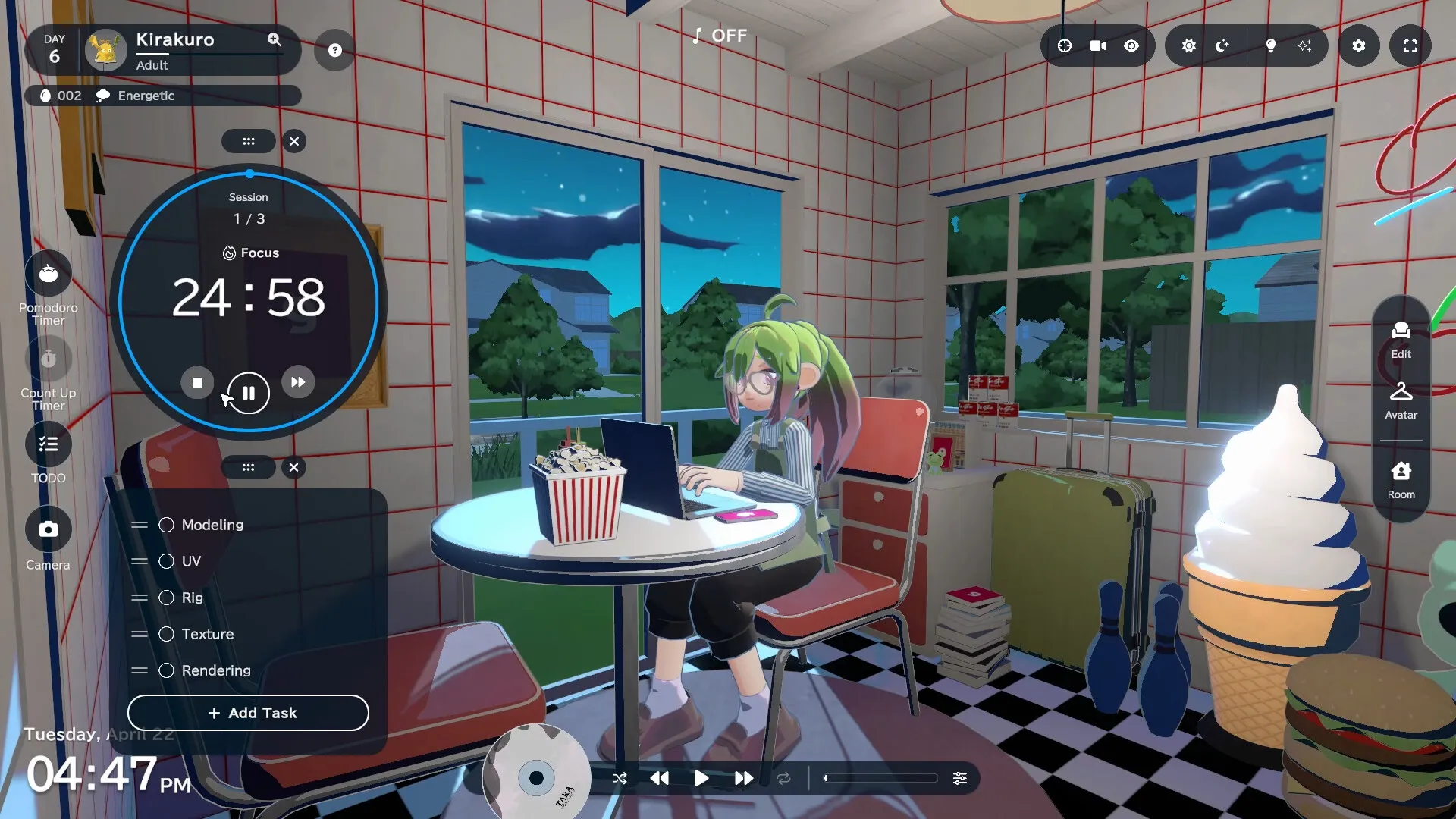
gogh treats focus as a mental environment rather than a countdown timer. When you start a session, your avatar enters a quiet space, symbolizing your intention to concentrate. This mental framing reduces resistance to starting work.
Instead of forcing productivity, gogh invites you into focus. This lowers stress and helps users begin sessions more naturally.
Gentle Gamification Philosophy
Progress in gogh is subtle and non-punitive. There are no streak penalties or failure messages. Customization rewards replace pressure-based motivation.
This approach is especially effective for users who struggle with burnout or productivity anxiety.
2. Setting Up Your Avatar for Motivation
Personal Identification Matters
Your avatar acts as a visual representation of yourself while focusing. Choosing an appearance you like creates emotional attachment and accountability.
Users who personalize their avatar tend to start sessions more often and stay focused longer.
Avoid Over-Customization Early
While customization is enjoyable, excessive tweaking before forming habits can become a distraction. Early on, keep changes minimal and focus on session consistency.
Treat customization as a reward, not a prerequisite.
3. Designing a Focus-Friendly Virtual Space
Environmental Psychology
The virtual room influences your mental state. Softer lighting, minimal visual noise, and calm color palettes support longer focus sessions.
Avoid overly stimulating decorations that pull attention away from your task.
Matching Space to Task Type
Different tasks require different atmospheres. Creative work may benefit from warm tones, while analytical tasks perform better in neutral environments.
Adjust your space intentionally rather than randomly.
4. Structuring Your First Focus Sessions
Start Small and Sustainable
New users often attempt long sessions immediately. This can lead to fatigue and abandonment. Begin with short sessions of 15–25 minutes.
Consistency matters more than duration in the early stages.
Breaks Are Part of the System
Taking breaks is not failure. Ending a session intentionally reinforces positive habits and prevents mental overload.
Use breaks to reset, not to escape.
5. Building a Daily Focus Routine
Fixed Time Anchors
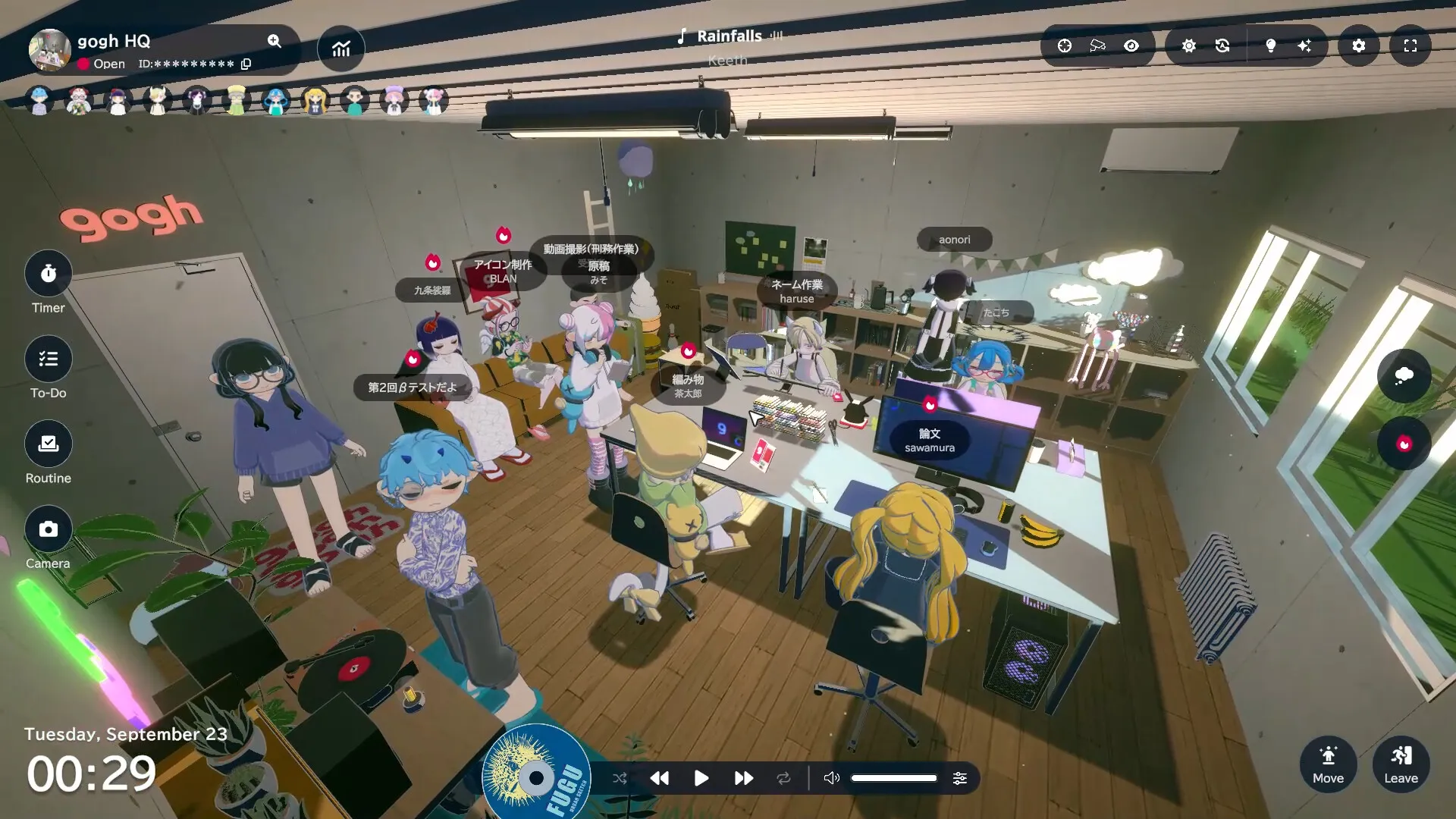
Using gogh at the same time each day strengthens habit formation. Your brain begins to associate that time with focus automatically.
Morning and early evening sessions tend to be the most effective.
One Clear Intention Per Session
Before starting, decide on a single task. Avoid vague goals like “work” or “study.” Clear intentions improve satisfaction and completion rates.
This clarity reduces decision fatigue during sessions.
6. Using Sound and Ambience Effectively
Audio as a Focus Tool
gogh’s ambient sounds help mask distractions and maintain immersion. White noise, rain, and soft music are particularly effective.
Choose sounds that fade into the background rather than demand attention.
Avoid Overstimulating Audio
Lyrics and dynamic music can reduce concentration during complex tasks. Save these for breaks or low-effort activities.
Silence is also a valid and powerful option.
7. Managing Distractions Without Guilt
Accepting Imperfect Focus
Distractions will happen. gogh encourages awareness rather than punishment. Ending or restarting a session is part of the learning process.
Removing guilt increases long-term consistency.
Environmental Adjustments
If distractions persist, adjust your real-world environment:
- Silence notifications
- Clear your desk
- Close unnecessary tabs
Small changes often yield significant improvements.
8. Tracking Progress Without Obsession
Focus on Trends, Not Numbers
While session history can be motivating, avoid obsessing over daily totals. Look for weekly or monthly improvement instead.
Sustainable focus grows gradually.
Reflection Over Comparison
Compare your progress only with your past self. External benchmarks undermine gogh’s calm philosophy.
Your focus journey is personal.

9. Integrating gogh into Work and Study Life
Complement, Not Replace
gogh works best alongside task managers and planners. Use it for execution, not scheduling.
Clear tasks before starting sessions.
Suitable Task Types
gogh is ideal for:
- Reading
- Writing
- Studying
- Design work
- Light coding
Highly reactive tasks may require a different approach.
10. Maintaining Long-Term Focus Habits
Avoid Burnout Through Flexibility
Skipping a day does not reset your progress. Return gently without compensating with longer sessions.
Long-term success comes from forgiveness and balance.
Let Focus Evolve Naturally
As habits solidify, session length and depth will increase naturally. Do not force optimization too early.
Trust the process and enjoy the calm.
Conclusion
gogh: Focus with Your Avatar succeeds by reframing productivity as a peaceful, intentional experience. Through gentle guidance, personalization, and atmosphere, it helps users build sustainable focus habits without pressure or guilt.
By using the tips in this guide, you can transform gogh from a simple focus app into a reliable companion for daily work, study, and creative flow.